Showing posts with label colonial-era virginia. Show all posts

Bacon's Castle

Monday, August 12, 2013


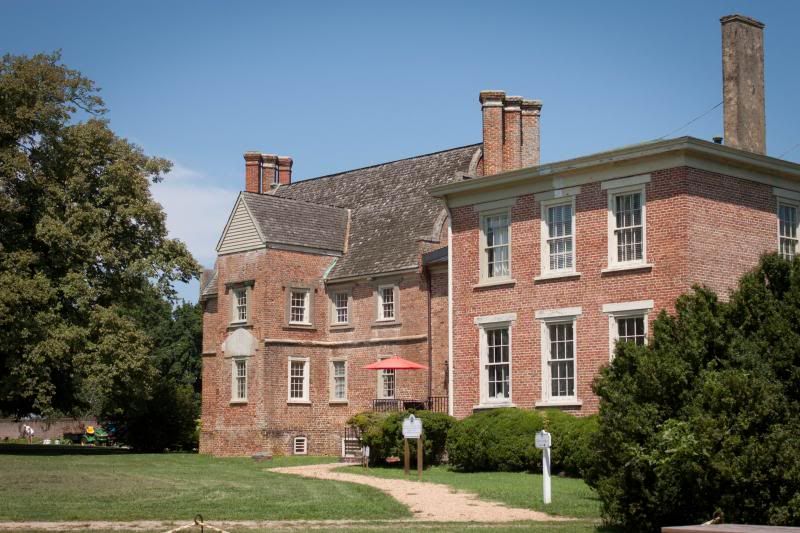
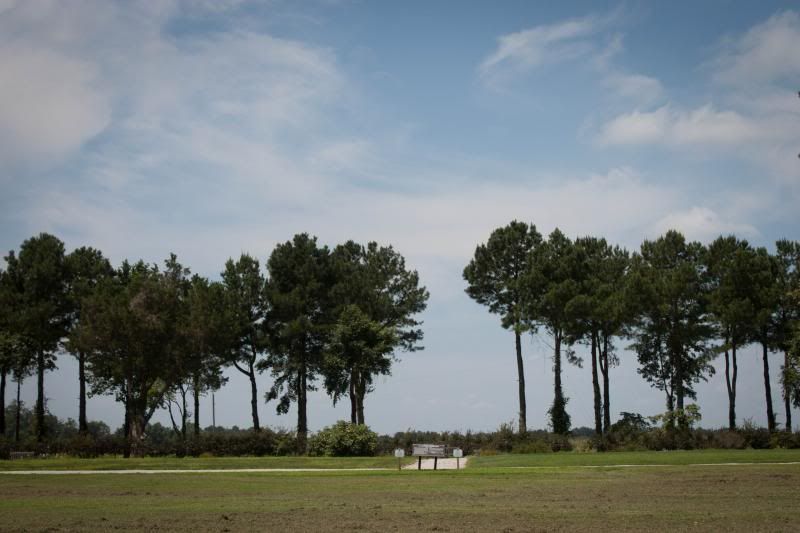
Another day trip with Molly and the kids -- this time to Bacon's Castle in Surry. Seems like we do a lot of stuff in Surry these days -- probably because it's a really good distance away. Just a little over an hour -- short enough so that the kids don't revolt in the car but long enough so that it feels like you're really going somewhere. Surry might as well be another world compared to the HRVA metro area -- there are gravel roads, fields of soybeans and tobacco, picturesque white farmhouses, the works.

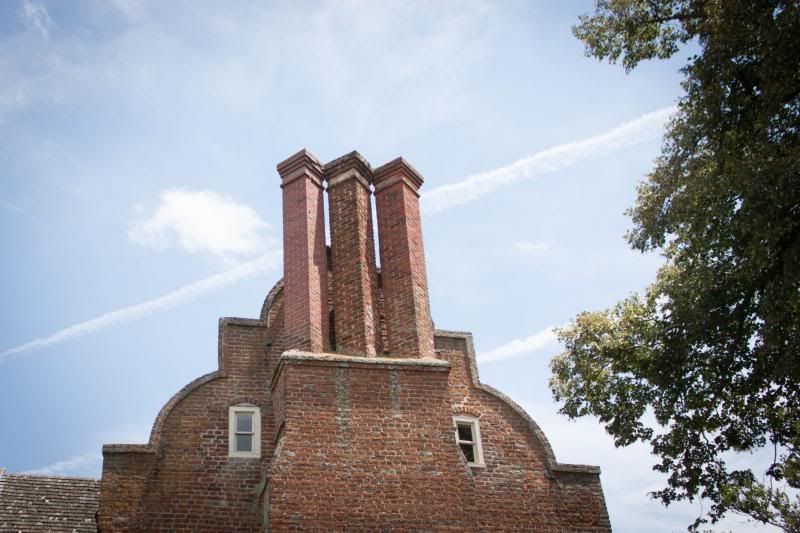
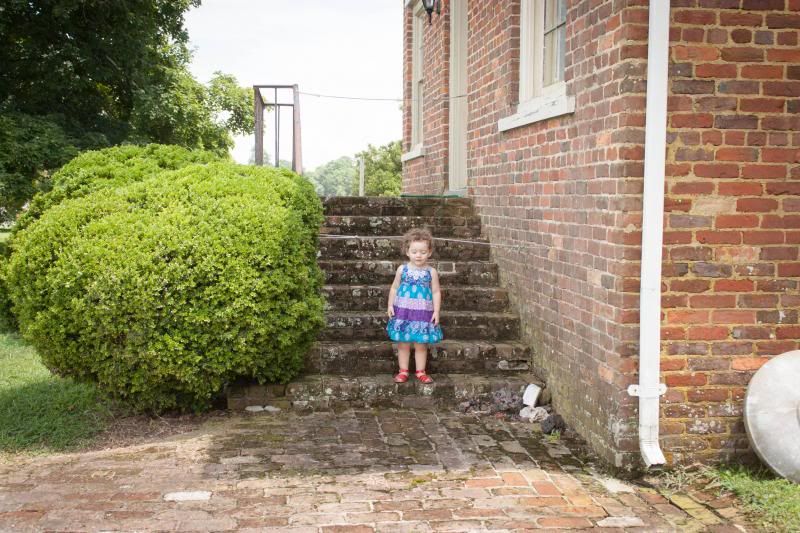
Bacon's Castle is a 17th century Jacobean-style home, one of the only surviving examples of Jacobean architecture in the Western Hemisphere and the oldest house in Virginia, built in 1665. The house has a long and storied history, was home to a prosperous planter and his family, and a landmark during Bacon's Rebellion (which gave the house its name). The house has been expanded over the years, and underwent extensive renovations in the 1980s, but the past still feels very close when you're inside it. It was mind-boggling to peek into rooms and imagine the people who had lived in them, to touch a hundreds-year-old wooden banister and think about all of the hands that had touched it over the years.

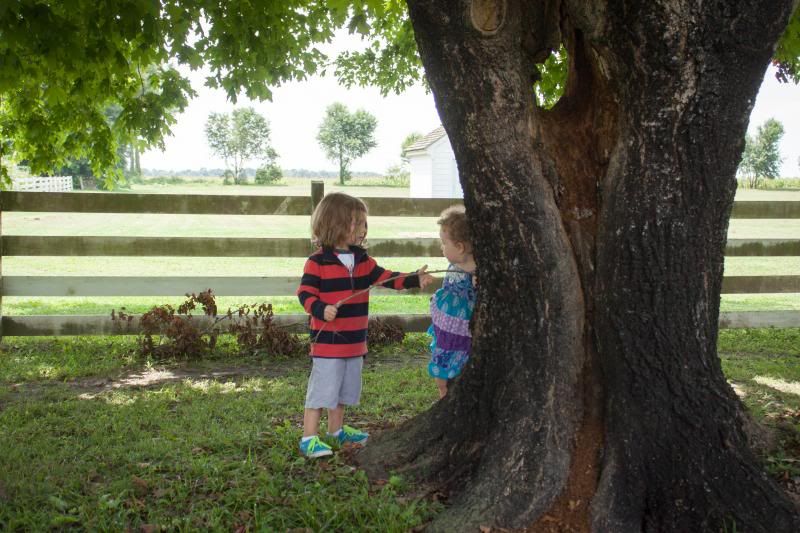
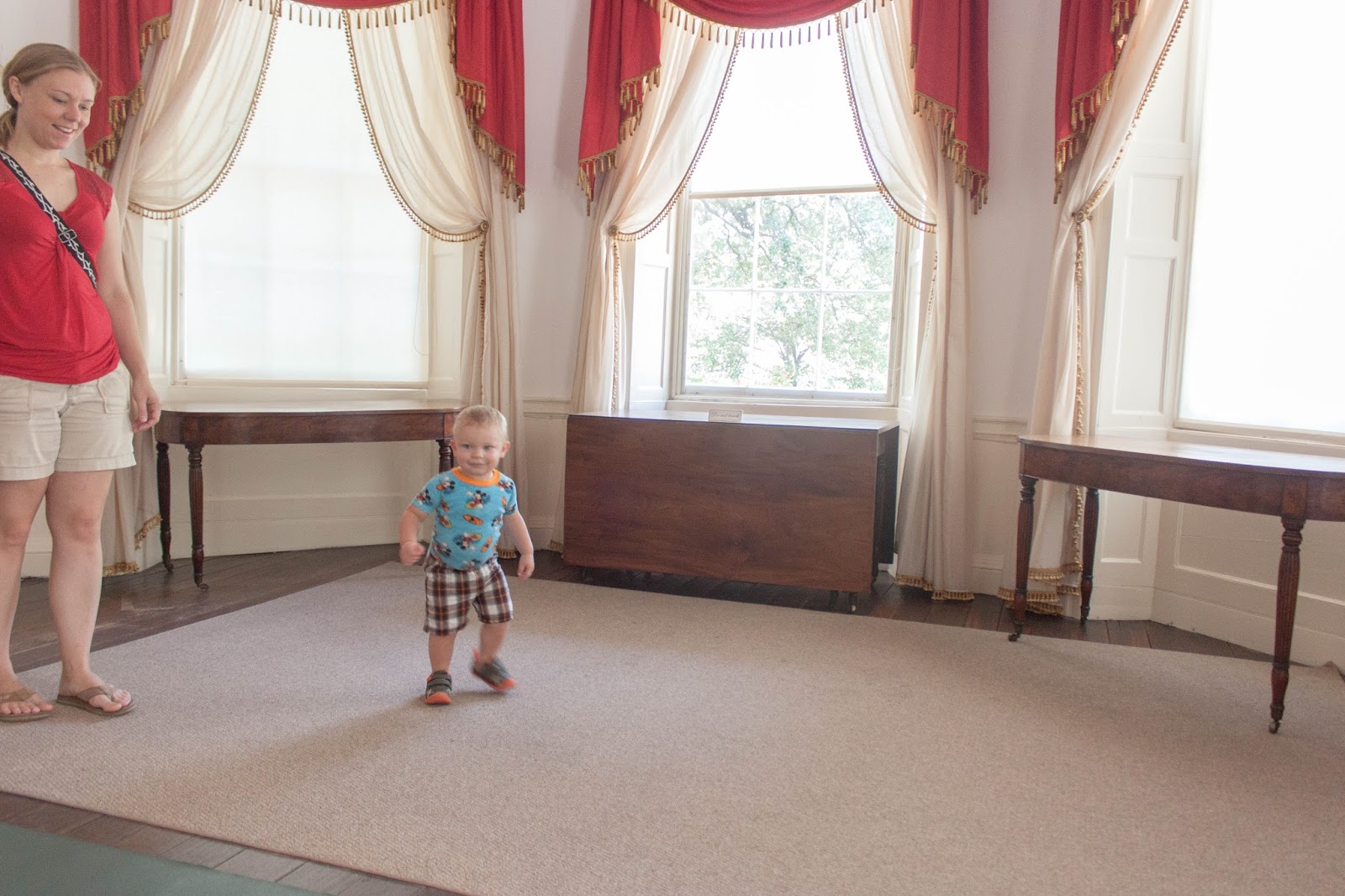
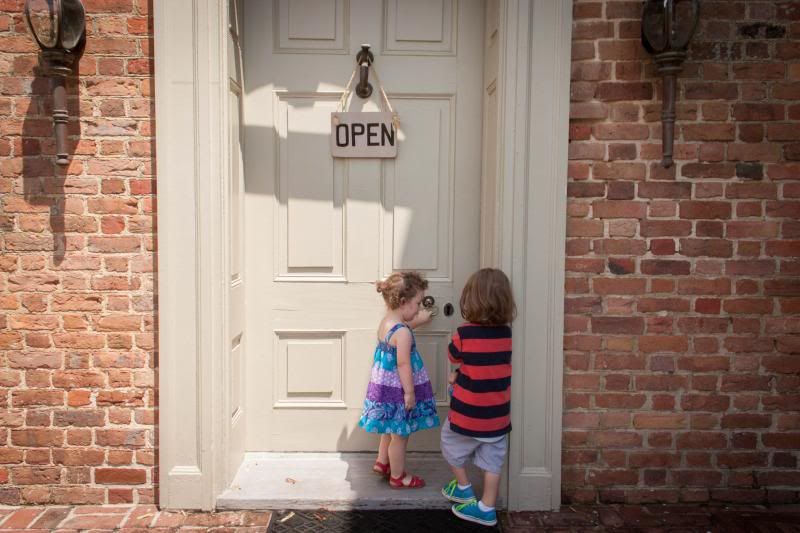
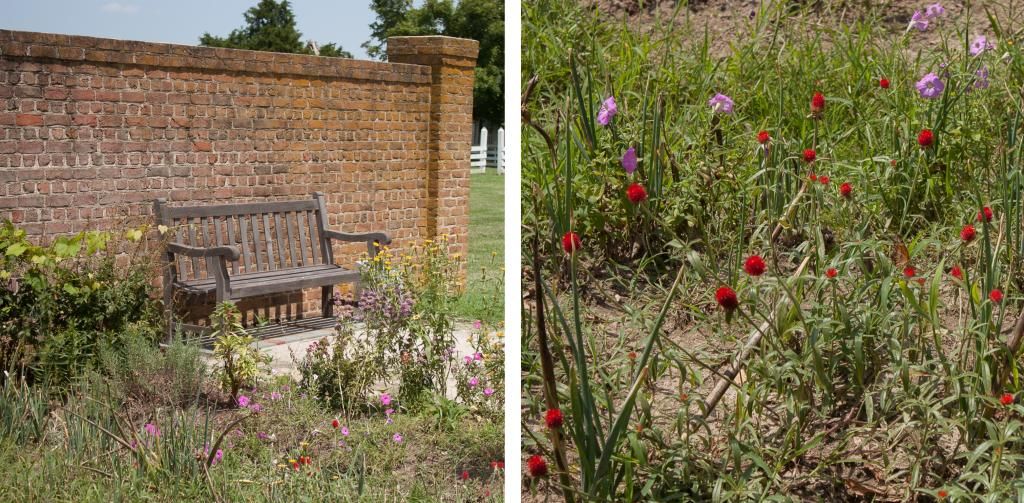
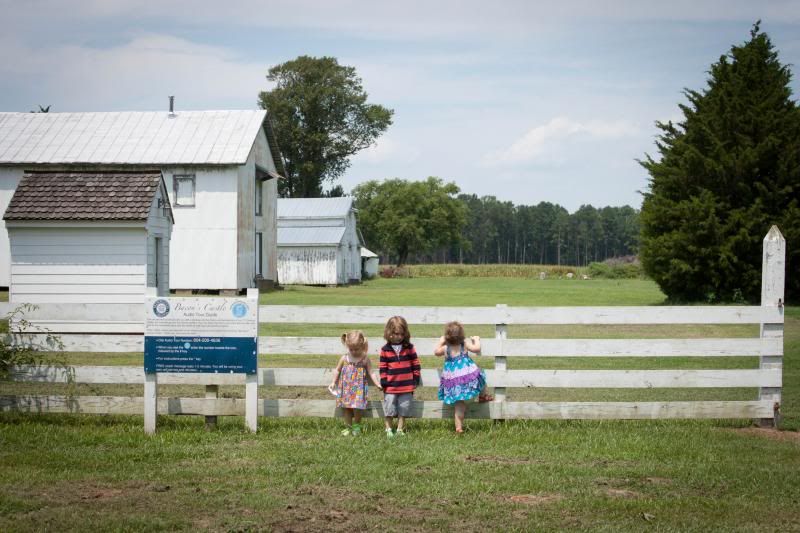
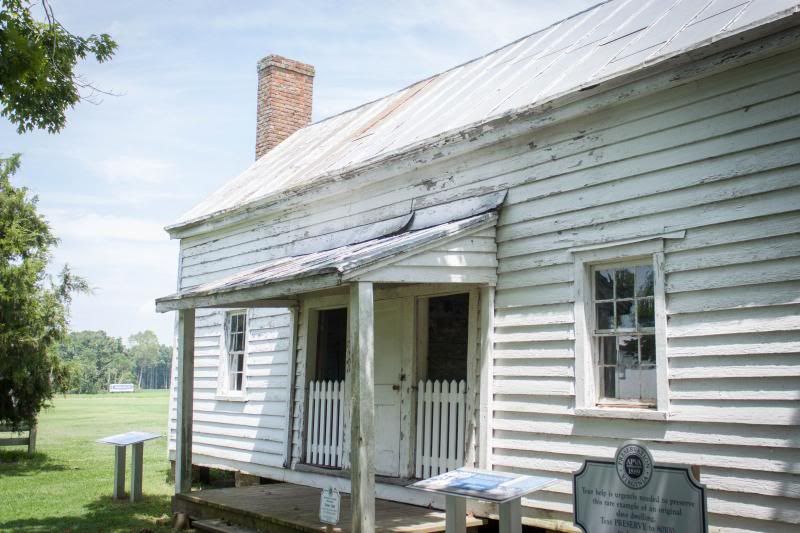
We had thought that we would probably be allowed to roam the house, as we did when we visited the Moses Myers House a few weeks ago, but actually, the folks at Bacon's Castle prefer to take groups on a tour of the premises. Older kids will enjoy it, thanks to the interesting and very knowledgeable tour guides, but our little ones were antsy and wanted to run, which was a bit awkward at times. However, once the tour was over and we turned them loose on the grounds of the 17th century garden and the nearby slave quarters, they were able to whoop and holler to their hearts' content. Add in a picnic lunch under the trees on the house's wide lawn, and you've got a wonderful way to spend a summer afternoon.
Bacon's Castle is open from Friday to Sunday, March through November. Block admission can be purchased with Smith's Fort Plantation, another Preservation Virginia site that stands just across the James River. In addition to seasonal events, Bacon's Castle also offers group tours and has one of the best gift shops we've seen in a long while. Click here for more info.


Moses Myers House

Sunday, August 4, 2013


Our playgroup visited the Moses Myers House the same day we visited the Norfolk Police and Fire Museum -- after all, they are right next door to one another. I had visited the Myers House last October for a ghost walk but I was excited to see it in the daylight as the house is truly one of the most beautiful places in Norfolk, with original 18th century furnishings, stunning ceiling filigree, and ornate Wedgwood fireplaces.

The Myers family was the first Jewish family in Norfolk, arriving in 1792, and remained one of the most prominent until the 1930s. They had a lot of tragedy befall them, leading to some sad but interesting stories (and a lot of ghost lore -- some of the Myers House staff can tell spooky tales of encounters with the former residents).

While at the house, we were also excited to see an original sculpture exhibit done by glass artist Beth Lipman, called "Adeline's Portal" after one of Moses's daughters. The exhibit features hundreds of clear glass pieces modeled on artifacts found throughout the Myers House; we could have looked at it all day and still found new things to admire.

Truthfully, I think our brood of toddlers were just a little too young to fully appreciate all the house had to offer, but they did enjoy exploring, especially in the house's rambly back garden. I think the 5-and-up crowd would more inclined to appreciate the history of the place and I'm looking forward to making more visits in the future -- with and without A.


Elizabethan Gardens (Manteo, NC)

Sunday, July 28, 2013


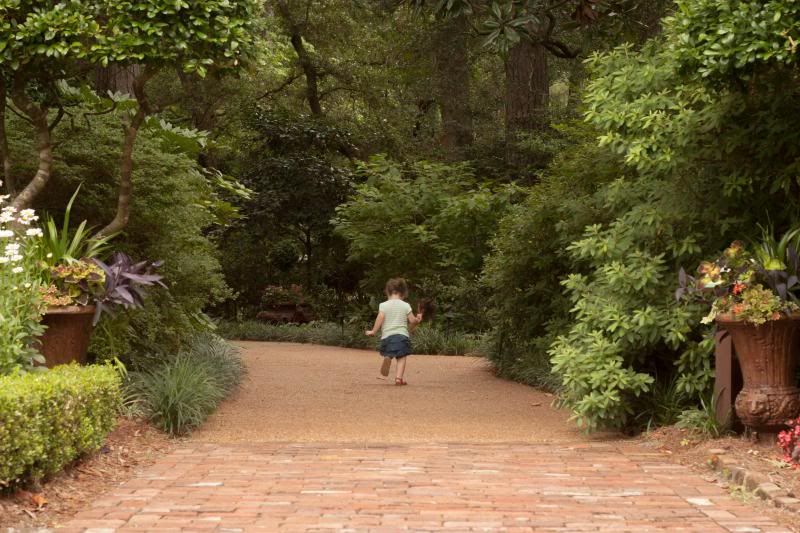
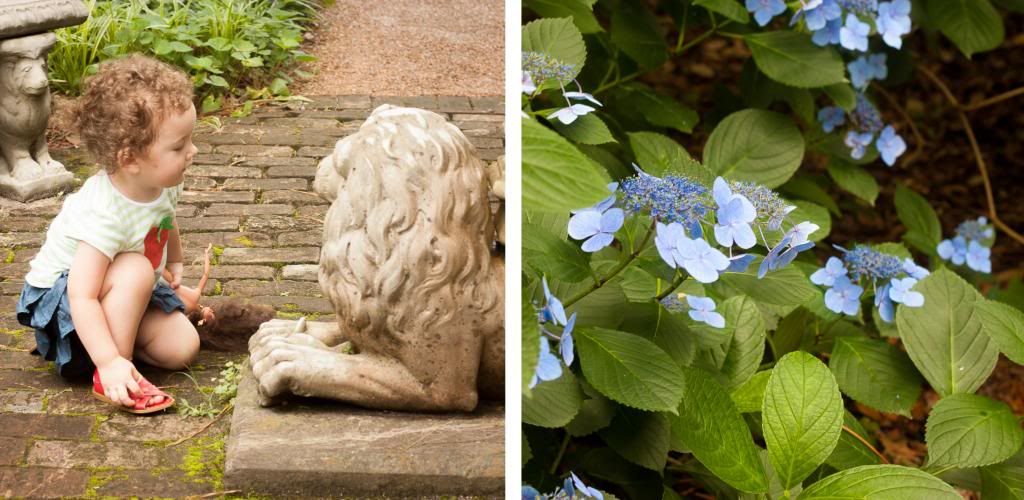
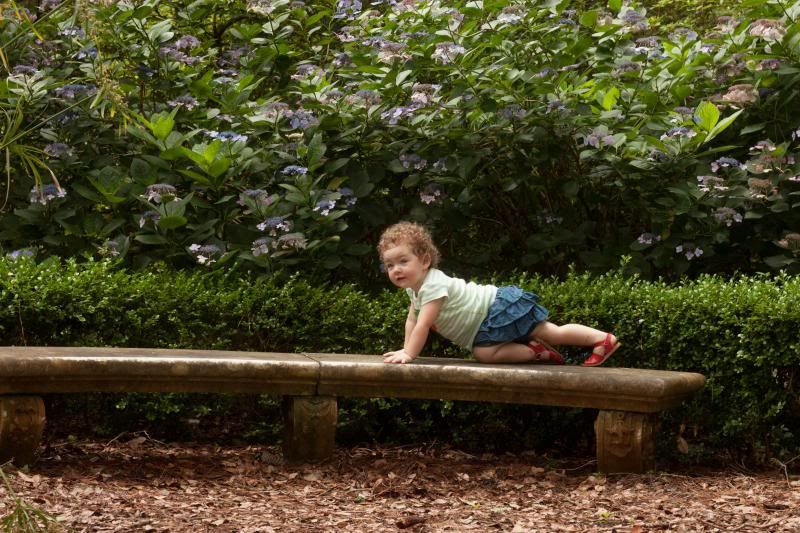
It seems like we can't get enough of the Outer Banks this summer. A few weeks ago, James, Anne and I went back -- this time, to Roanoke Island, to explore the little town of Manteo, which is one of the most charming spots I've ever visited. There was so much to see and do, but our favorite part of the day was spending time at the Elizabethan Gardens on the grounds of old Fort Raleigh.

Roanoke Island is the site of the first English colony in America. It was founded by Sir Walter Raleigh in 1587; by the time he returned from a voyage to England in 1590, all of the 115 Roanoke colonists had disappeared without a trace.

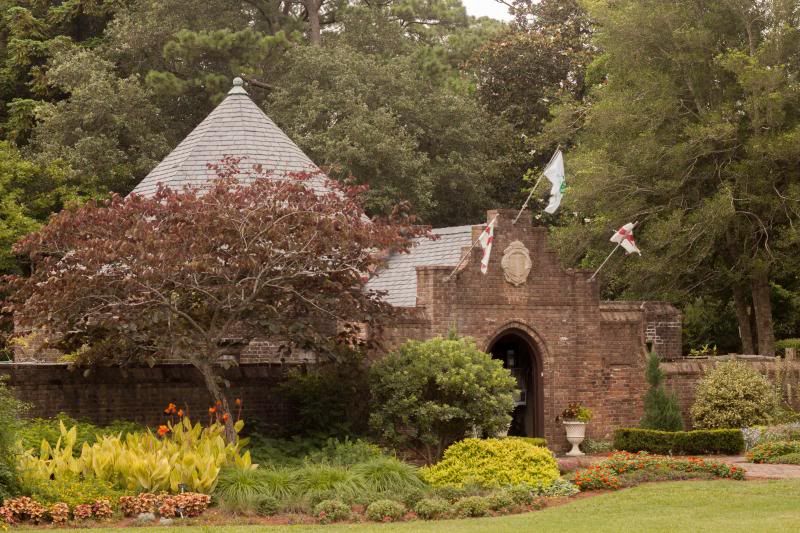
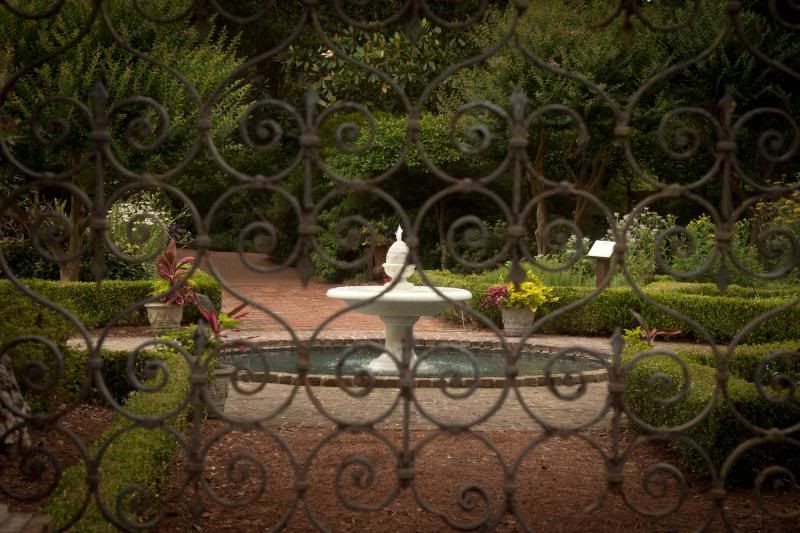
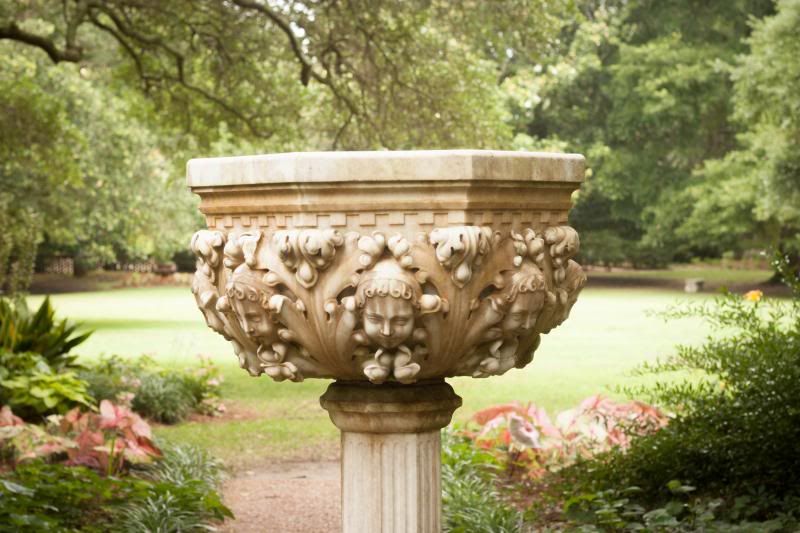
The Elizabethan Gardens were designed as a living memorial to this Lost Colony. Spanning 10 acres, the gardens were laid out to resemble a traditional 17th century English pleasure garden but also includes native plants and a few modern-day flourishes. There's a rhododendron garden, a tobacco walk, and rose and herb gardens, all extending from the Gate House, which houses a mysterious portrait of Queen Elizabeth I.


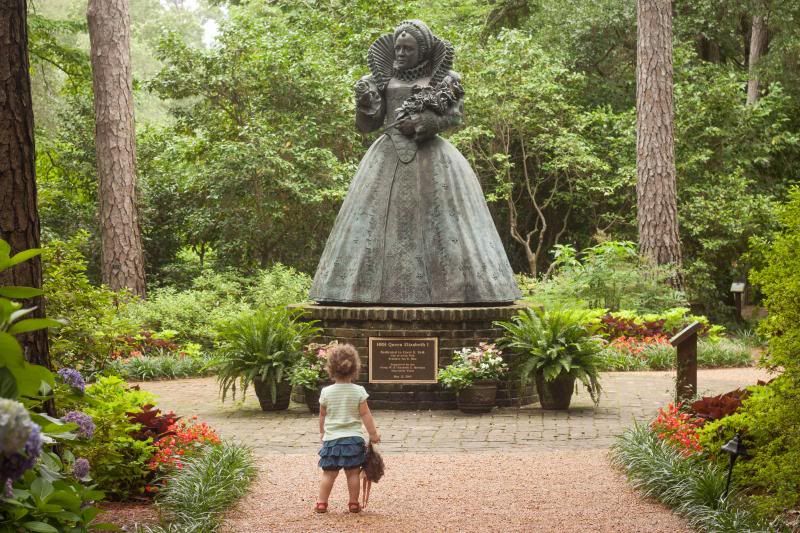
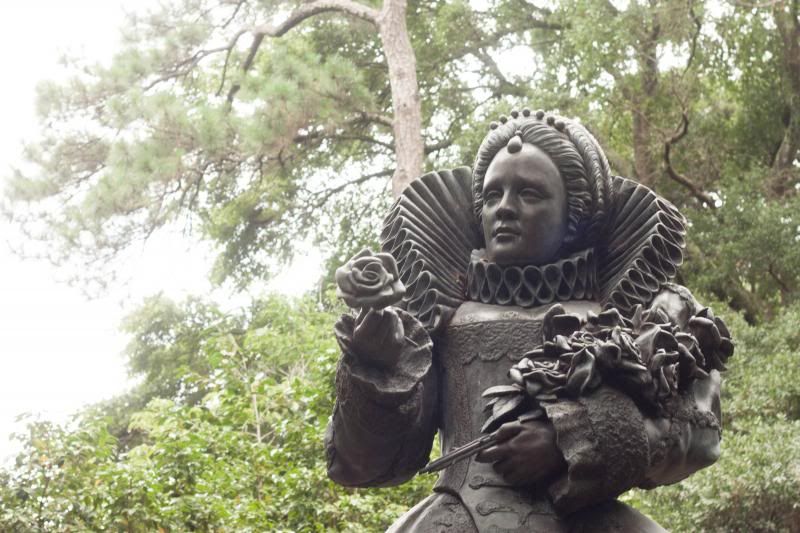
We enjoyed so much about the day, but I think Anne's favorite part of the gardens was the larger-than-life statue of Queen Elizabeth I. We had a hard time explaining to her that what she was seeing was a princess, since she's used to them being a little more sparkly. But I think Elizabeth serves as a better role model than any of those Disney waifs, for sure.


We're having a ridiculous week, thanks to some unexpected home repairs (long story), so things might be a little slower around here than usual. We'll be back in full force ASAP. Happy Monday!

Pork, Peanut, and Pine Festival

Monday, July 22, 2013


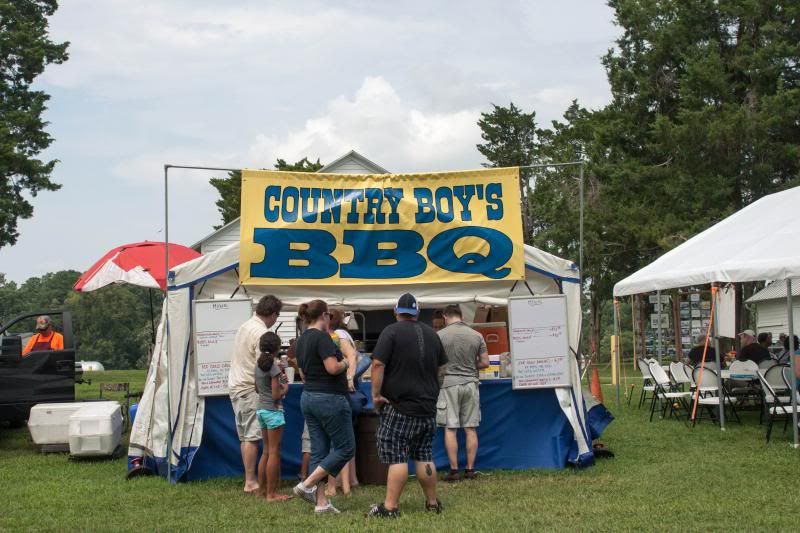
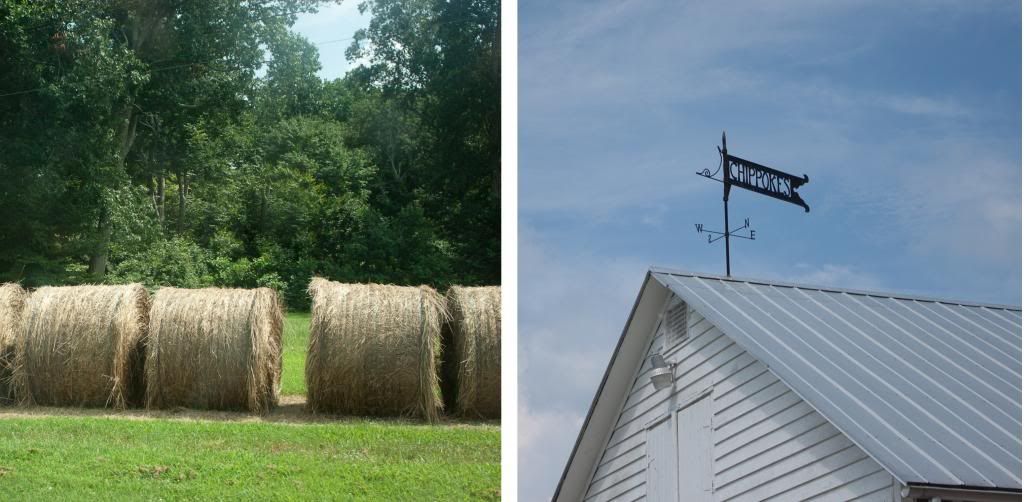
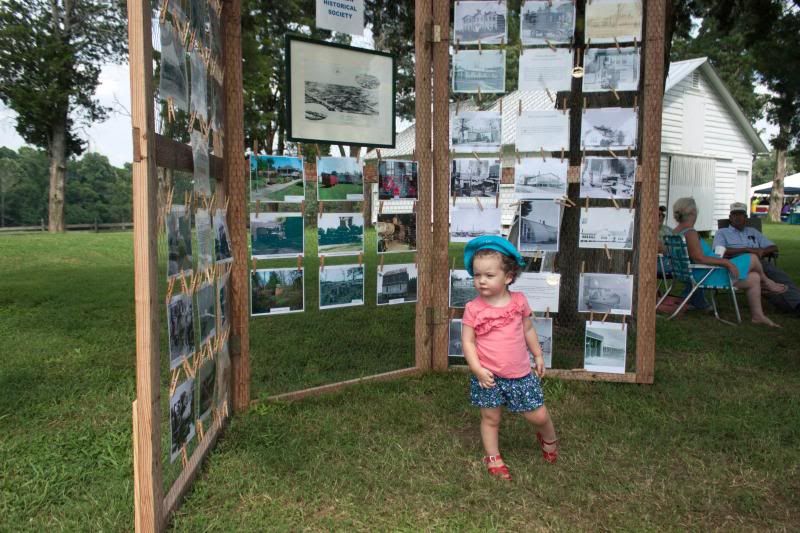
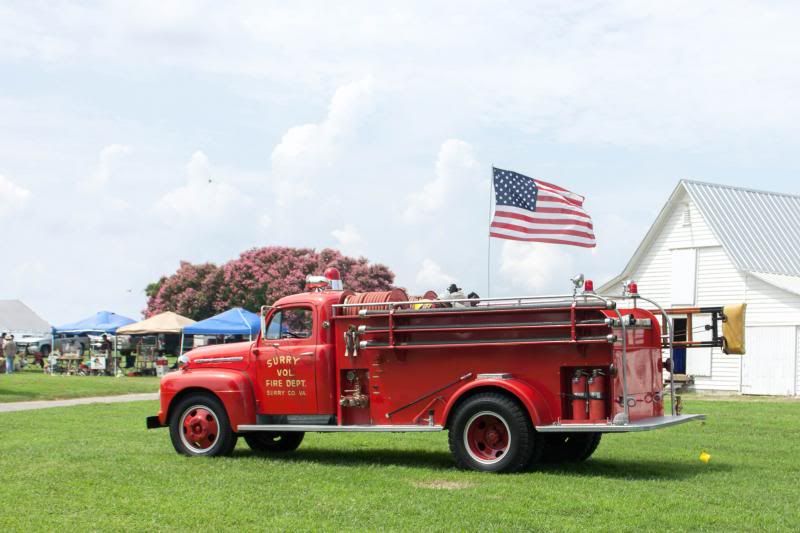
J., A., and I were out of town for the majority of the weekend for a wedding (in which A. fulfilled all of her flower girl duties with aplomb, we are so proud). On the way home Sunday, we decided to be crazy and take a pretty significant detour so that we could stop by the annual Pork, Peanut, and Pine Festival at Chippokes Plantation State Park in Surry. We just weren't ready for the fun to be over, I guess.

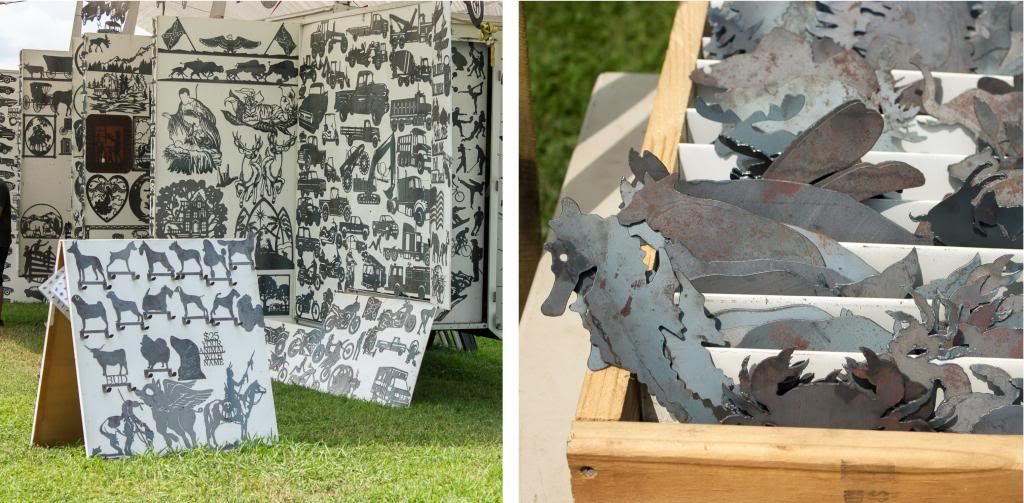
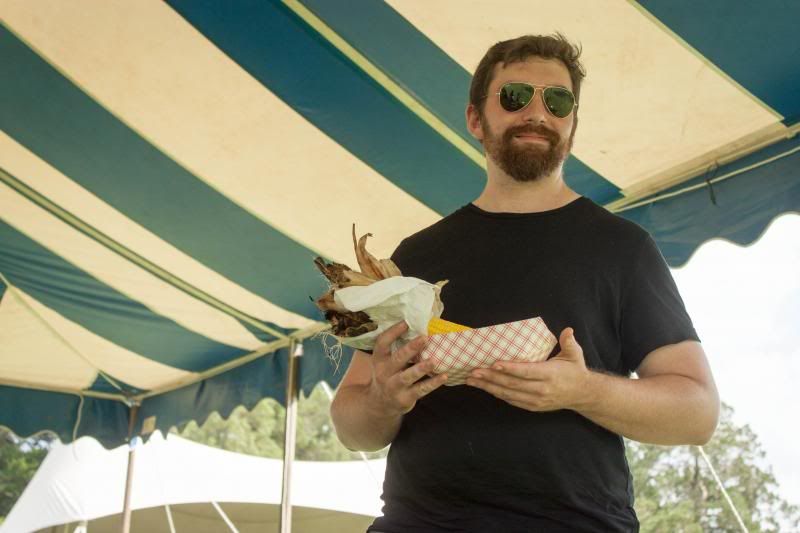
For 38 years, the festival has been put on to celebrate the Southeastern VA region's natural resources. When you first come across it, the combination of pork, peanut, and pine sounds a little strange but after a little while it starts to make perfect sense. It turns out there is nothing quite like eating a BBQ sandwich after a handful of freshly-roasted peanuts while the sun glints on the carved wood crafts in the nearby booths. It all works together.

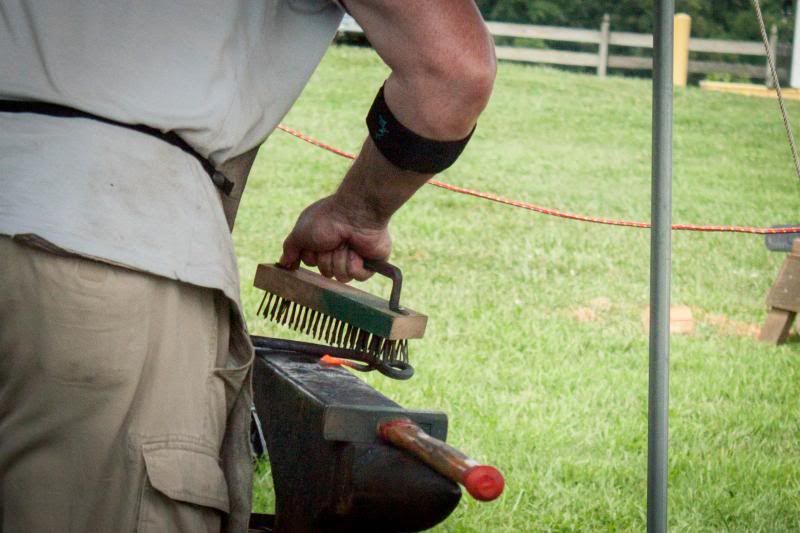
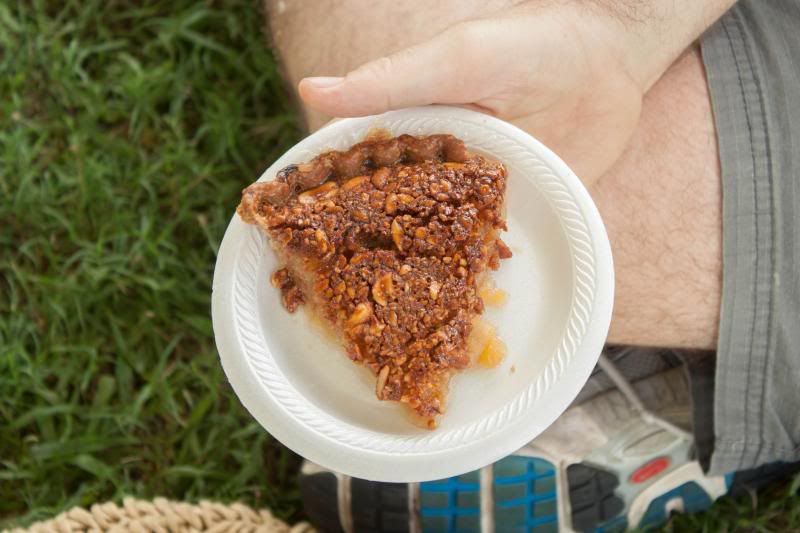
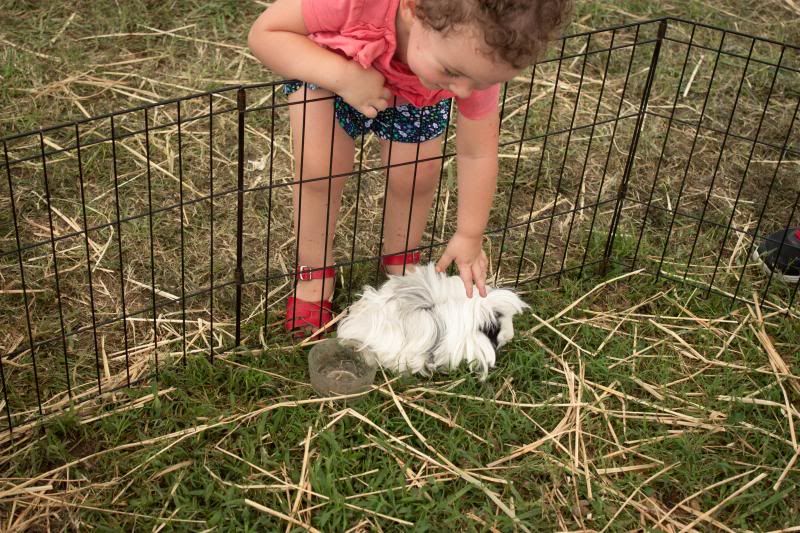
Besides the three main attractions, we also visited blacksmith and turner demonstrations, examined some antique farm equipment, made friends at a petting zoo, and danced to the Hard Knox bluegrass band.  We toured the antebellum mansion that gives the park its name and found some handmade art to take home. And maybe the highlight of it all, we had our very first taste of peanut pie.


It was a really fun end to a special weekend. I think the PP&P festival might become a family tradition.


Rosewell Plantation

Thursday, July 18, 2013


Molly and I have been talking about taking the kids on a few day trips this summer, to get away from our comfort zone of library and splashpad and park, to explore some destinations a little further afield from Hampton Roads. Our first trip was to Rosewell, an 18th century plantation house in Gloucester, Virginia.

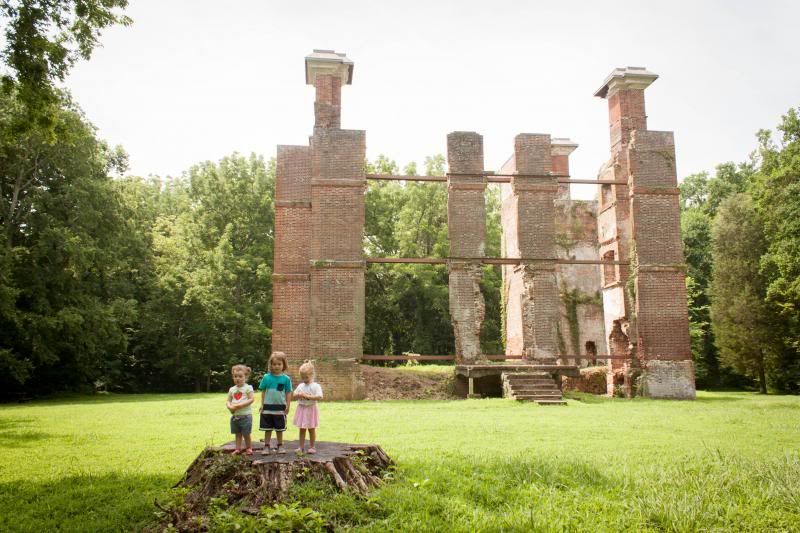
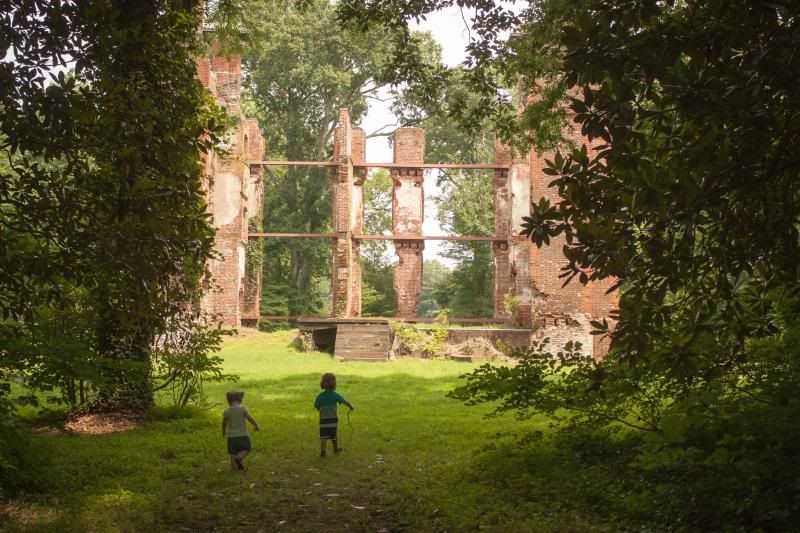
At one point in time, Rosewell was known as the most beautiful house in the American colonies. Built by the Page family in 1725, it encompassed over 12,000 square feet of living space plus several outbuildings. For almost 200 years, Rosewell hosted some of the country's most elaborate and luxurious parties and balls. Thomas Jefferson was a frequent guest, and actually wrote a draft of the Declaration of Independence while staying there.

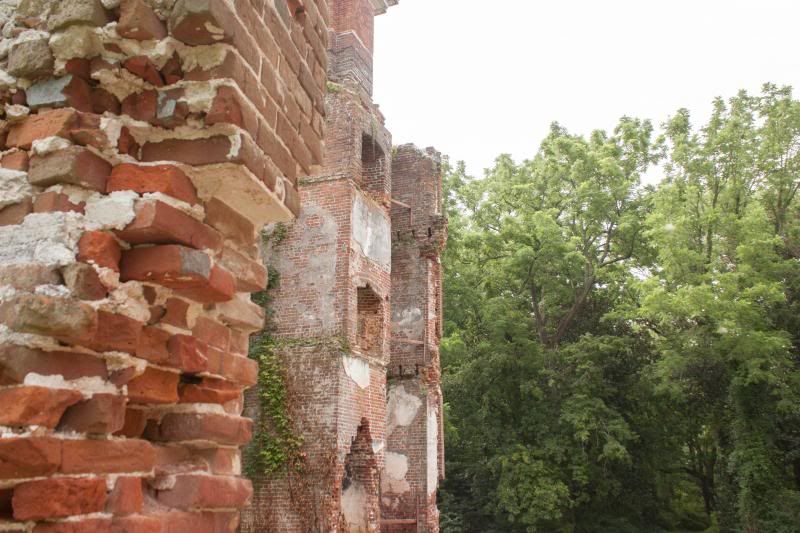
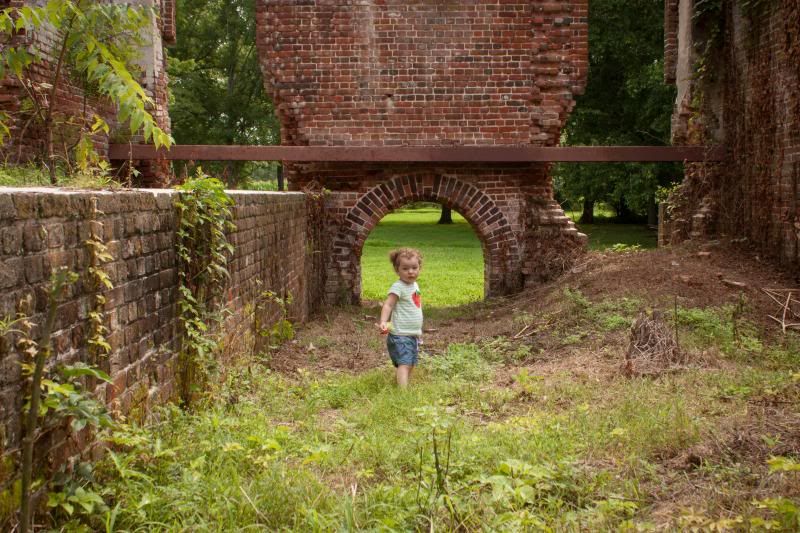
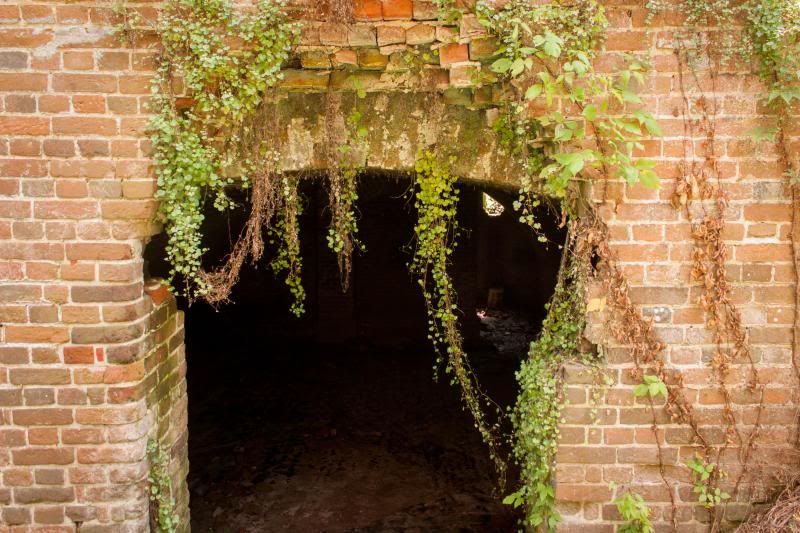
The house burned down in 1916, and today, only ruins remain. Not much besides the four corner chimneys and some of the exterior walls are left standing, but we still found plenty to see while we were there. Unbeknownst to us, the ruins themselves are off-limits (there were no signs posted, so we just waltzed up the stairs and poked around inside -- oops), but two walking trails leading through the woods to nearby Carter Creek and to the old ice house are perfect for a kid-sized hike.
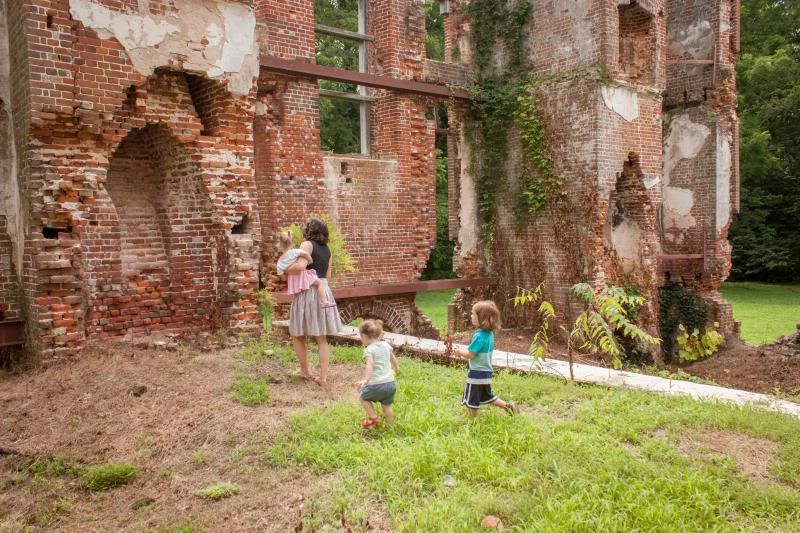

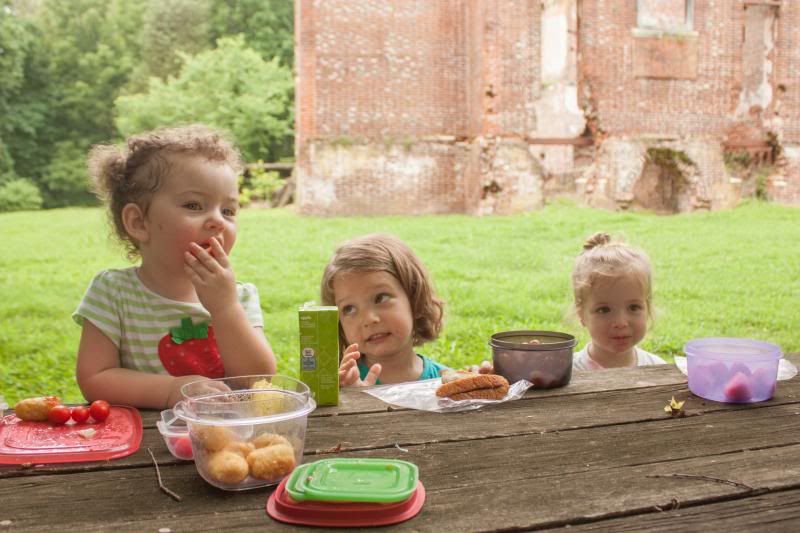
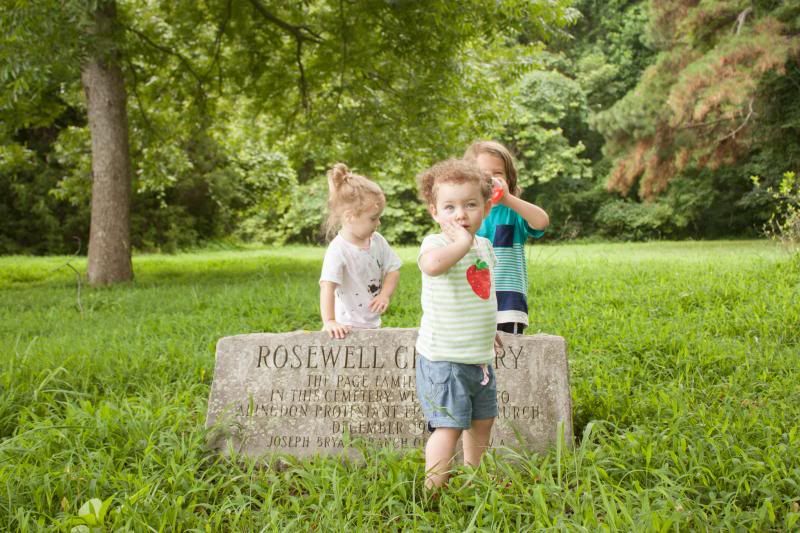
After exploring, we had a picnic lunch under the trees. The kids ran out some energy and had a mock swordfight or two on the grounds of the old Page family cemetery (nobody's buried there now -- the graves have been moved to a nearby churchyard). On the way out, we stopped by the small gift store and museum, which features artifacts found in and around the house during a recent archeological dig.

Bring boots (the grass isn't mowed), bring bug spray (ouch, is all I'll say), and watch out for poison ivy. But make the trip, it's worth it.

Happy weekend!

A picnic at St. Paul's Church

Wednesday, May 29, 2013


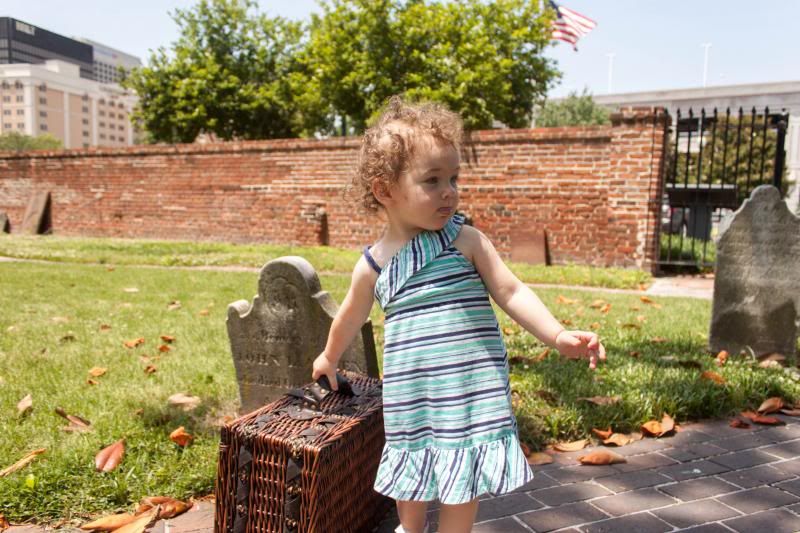
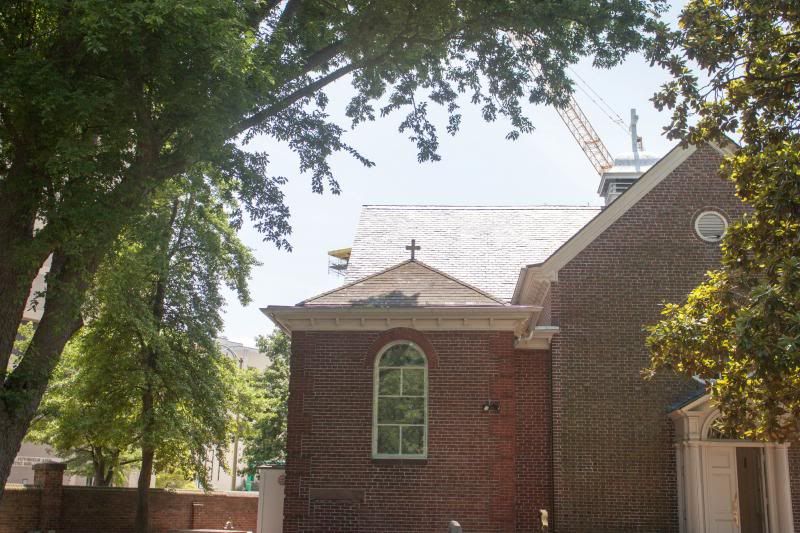
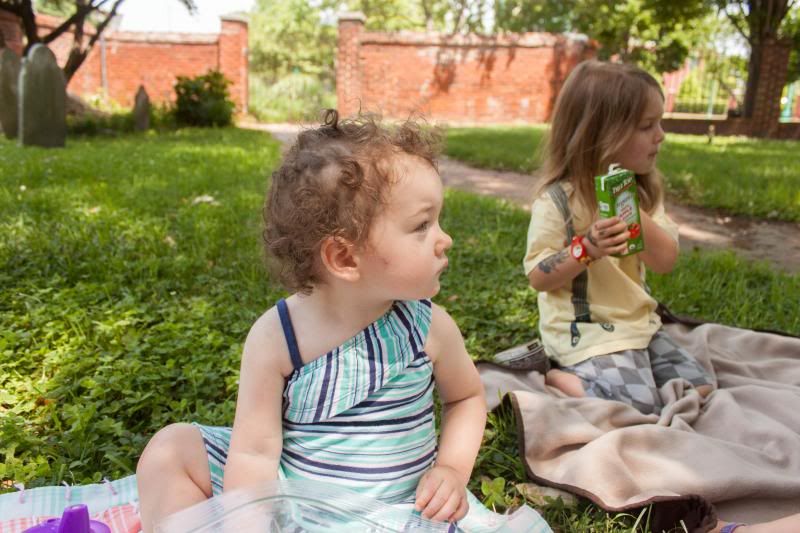
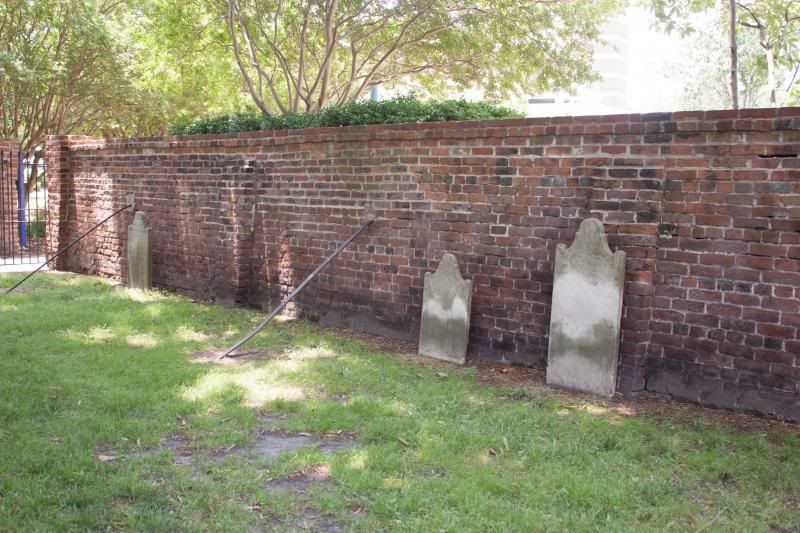
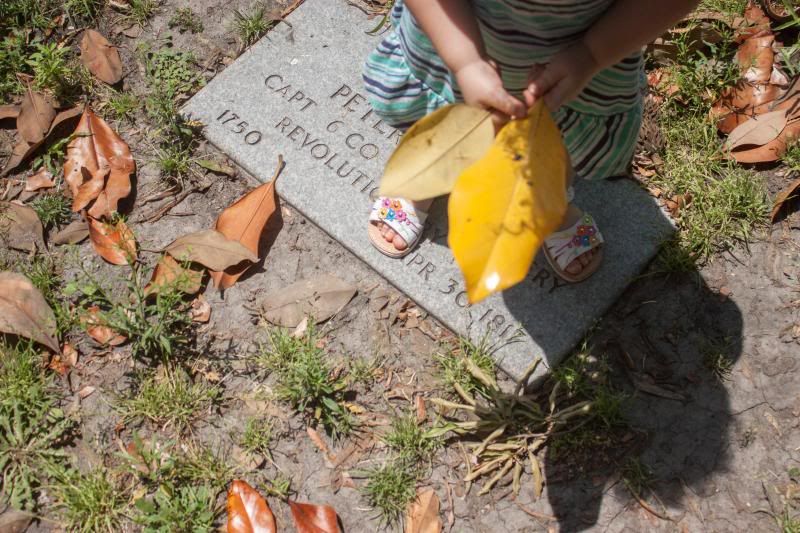
When I was a student at the Virginia Governor's School for the Arts, years ago, the churchyard at St. Paul's was one of my favorite places to go after rehearsal, to sit and read and go over lines and discuss all the gossip of the day with a classmate or two. Yesterday, Anouk and I took some friends -- and a picnic lunch -- to visit the mossy churchyard. A lot about the surrounding downtown Norfolk area has changed since I graduated in 1999, but St. Paul's itself is just the same as I remember it, comfortingly so.

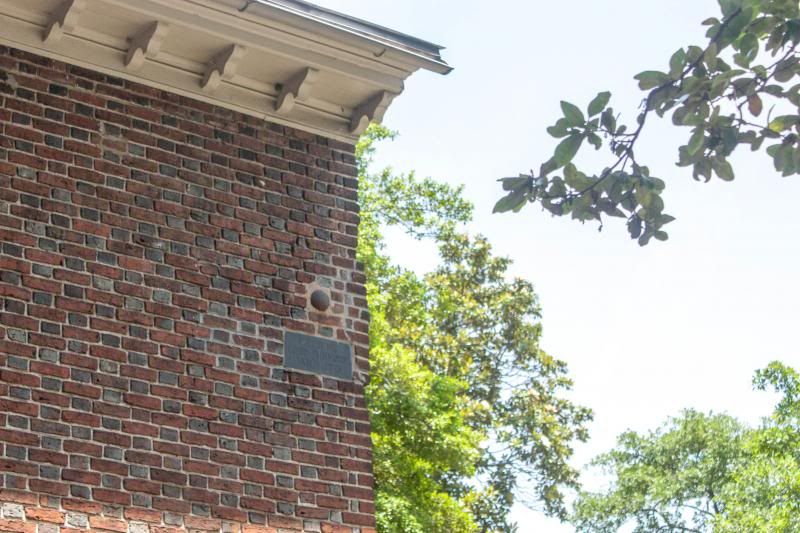
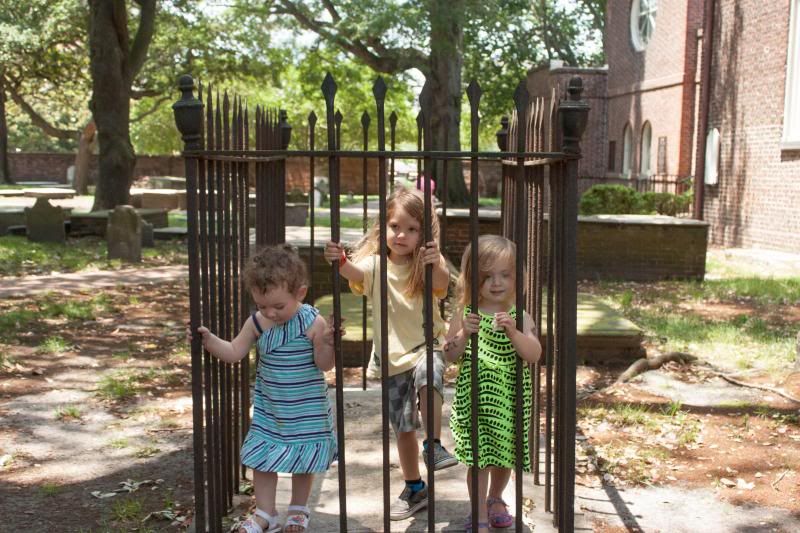
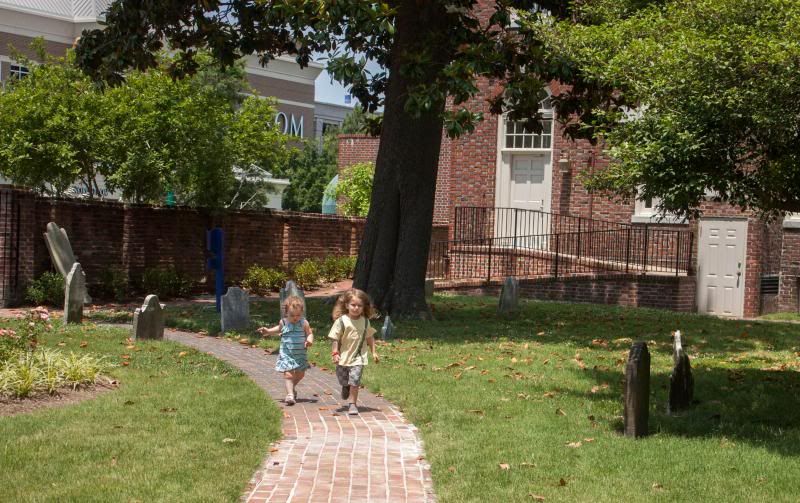
An 18th-century church might not seem like the most exciting place for playgroup, but A. and her friends had a blast exploring. They ran up and down the brick pathways and even peeked inside the church, exclaiming over the massive pipe organ and the intricate stained-glass windows. Of course we visited the cannonball lodged in the church's south wall, a souvenir of the Battle of Great Bridge during the first days of the Revoluntionary War. (Little Zeke thought it had been fired by pirates, and was very interested to see it.) There was even a tiny playground, and the shady magnolia trees adjacent were the perfect spot to spread our picnic blankets and sit awhile.


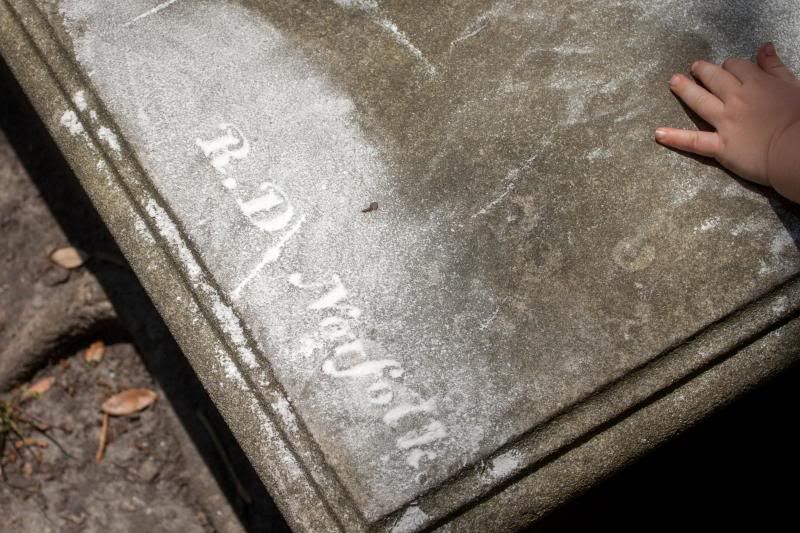
St. Paul's is the only surviving colonial-era building in Norfolk, and unlike many of the other historical sites around the city, is still being put to its original use today. The parish at St. Paul's is vibrant and active, and as a result, the church is a bustle of activity throughout the day, people going in and out, tending the graves, and setting up for morning services. I like that -- it makes the church feel like a representation of the city itself, which has been through so much and is still standing. St. Paul's reminds me every time I visit of Norfolk's long and colorful history. The things the church has seen -- the Revolution, the Burning of Norfolk, the War of 1812, the Civil War and the Civil Rights Era! As we walked through the courtyard yesterday, I found myself wishing that those old stones could talk. Just think of all the things they'd have to say -- and I would sit right down and hang on every word.


Blog Design by Nudge Media Design | Powered by Blogger